Visit Familyhomeplans.com


Make Every Dollar Count When Selling Your Home

(ARA) – No matter how bad the real estate market seems to be these days, home sales do happen because people will always need a place to live. In fact, more than four million homes were sold in 2008. But with home values falling, today’s sellers are finding out every dollar counts when it comes to keeping as much of their home’s sales price as possible.

Many are deciding to sell their home themselves instead of hiring a real estate agent. Recent studies from Northwestern and Stanford Universities have found that “by owner” sellers are as effective as agents in maximizing a home’s sales price. After commissions are factored, the studies reported, these sellers are able to retain more of their home’s equity than those who sold with an agent.

Furthermore, Consumer Reports magazine found that “for sale by owner” (FSBO) sellers are more likely to get their asking price while agents deliver, on average, a sales price that is $5,000 less than the original asking price.

“In a market where prices are falling, people should really consider selling their home themselves,” says Greg Healy of ForSaleByOwner.com — the nation’s leading for sale by owner Web site. “Selling a home through an agent means giving up 5 to 7 percent of the sales price in the form of real estate commission fees. Selling your home without an agent offers an immediate savings of at least that much.”

Since it is a buyer’s market where there are plenty of homes available, it’s important to be aggressive and make your home stand out. Healy offers some tips to help you sell your home “by owner.”

Price it Right
When you’re not paying a sales commission, you can afford to price your home more aggressively. In this market, buyers are looking for the best deal possible so the more competitive you can be at pricing your home, the quicker it will sell. Homes that go on the market priced above similar homes tend to take longer to sell. So make sure you price your home right to move it fast.

Remember, the market dictates the price of your home, not what you think it should be worth. Use the Internet to research the sales amount of similar homes recently sold in your neighborhood. Get an online appraisal to give you a solid idea of where your home should be priced.

Make a Great First Impression
Today’s buyers are attracted to open, clean, spacious and updated homes. Remove personalized items such as family photos and clear all clutter from countertops, closets, tables and floors. Simple improvements like fixing broken tiles, cleaning carpets and repainting walls in neutral colors can greatly enhance the appeal of your house. If you’re having an open house, remove all evidence of pets (dog kennels, cat boxes, hamster cages) and make sure the house smells great by baking a batch of cookies or lighting a scented candle. If ever there was a time for a thorough top to bottom cleaning, this is it!

Get Help and Market the Home
Using a service like ForSaleByOwner.com helps you avoid paying commission to an agent while still getting support every step of the way. The site is one of the largest and fastest growing real estate websites with thousands of buyers visiting it each day. Using ForSaleByOwner.com also allows you to advertise your property on Realtor.com, the country’s most popular real estate website with more than 5 million monthly visitor.

It is also wise to hire an experienced real estate attorney to help you evaluate complicated offers, act as an escrow agent, review contracts and handle your home’s closing process. Unless you’re significantly experienced in the home selling process, having a real estate lawyer on your side ensures that someone is looking out for your best interests. A lawyer will only cost a few hundred dollars and, as Healy advises, is money well spent.

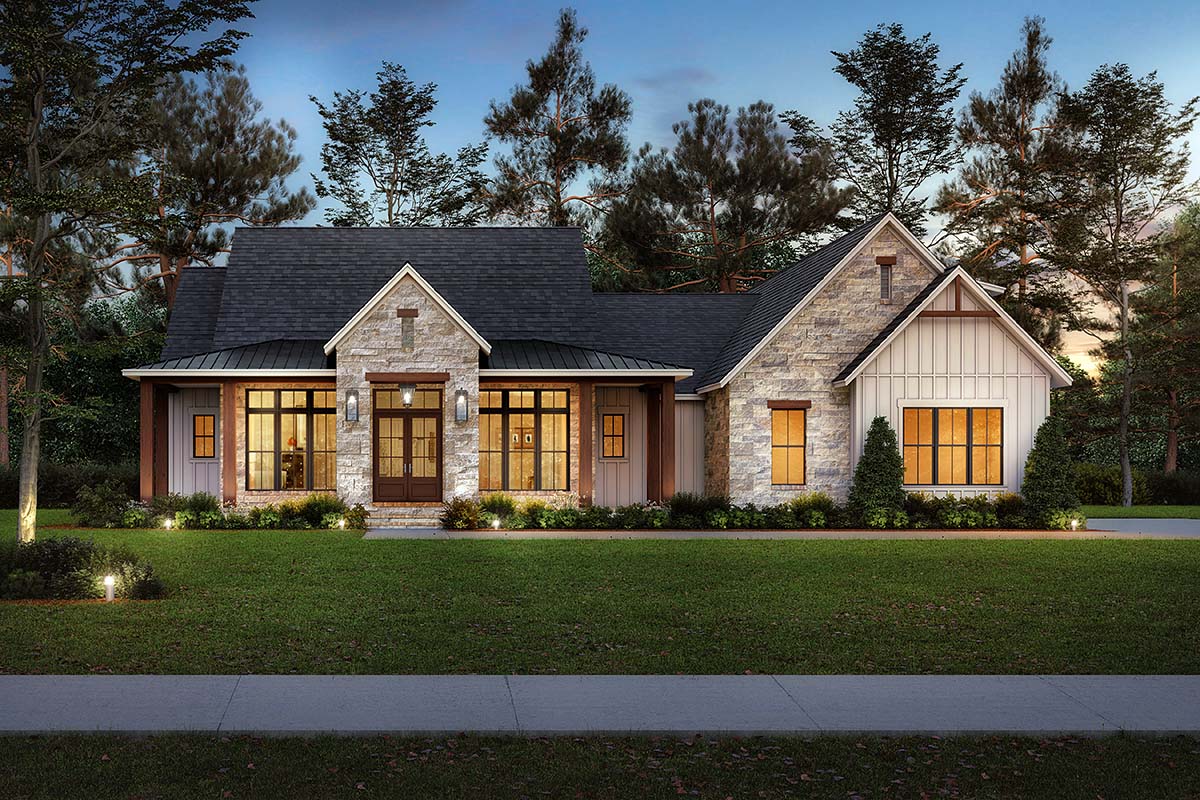
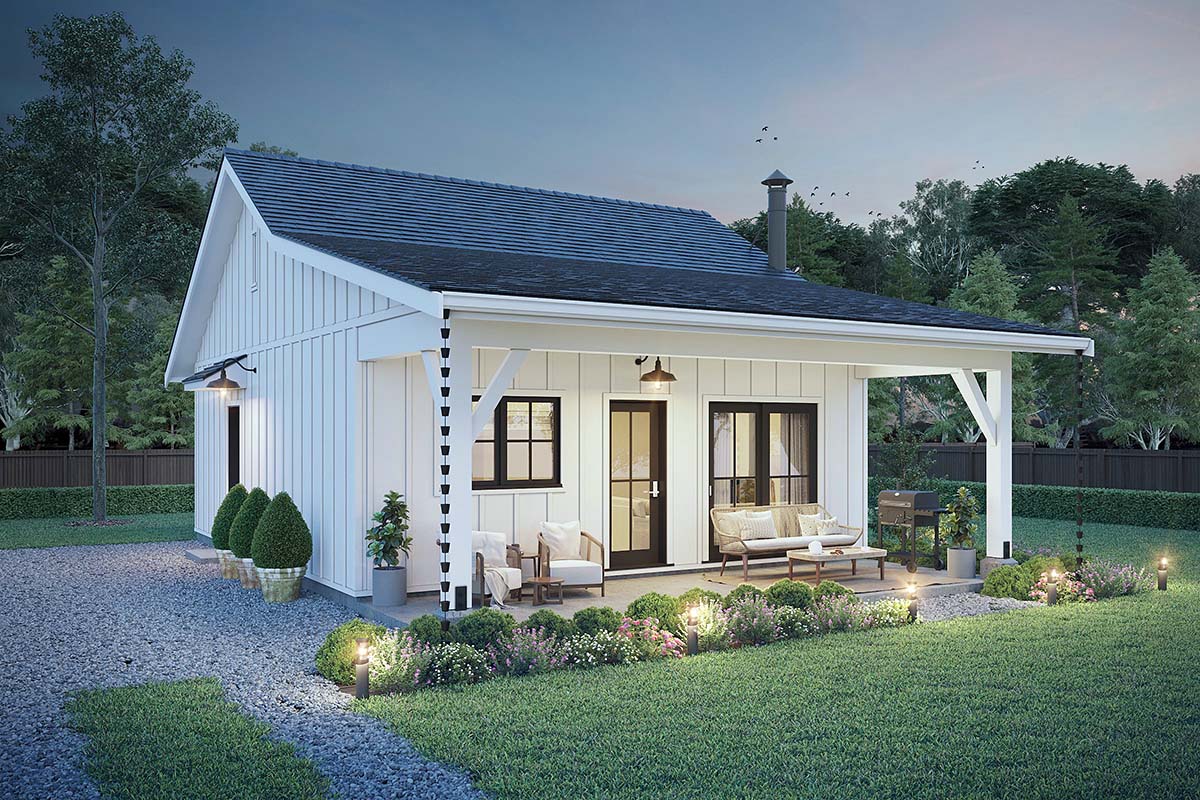
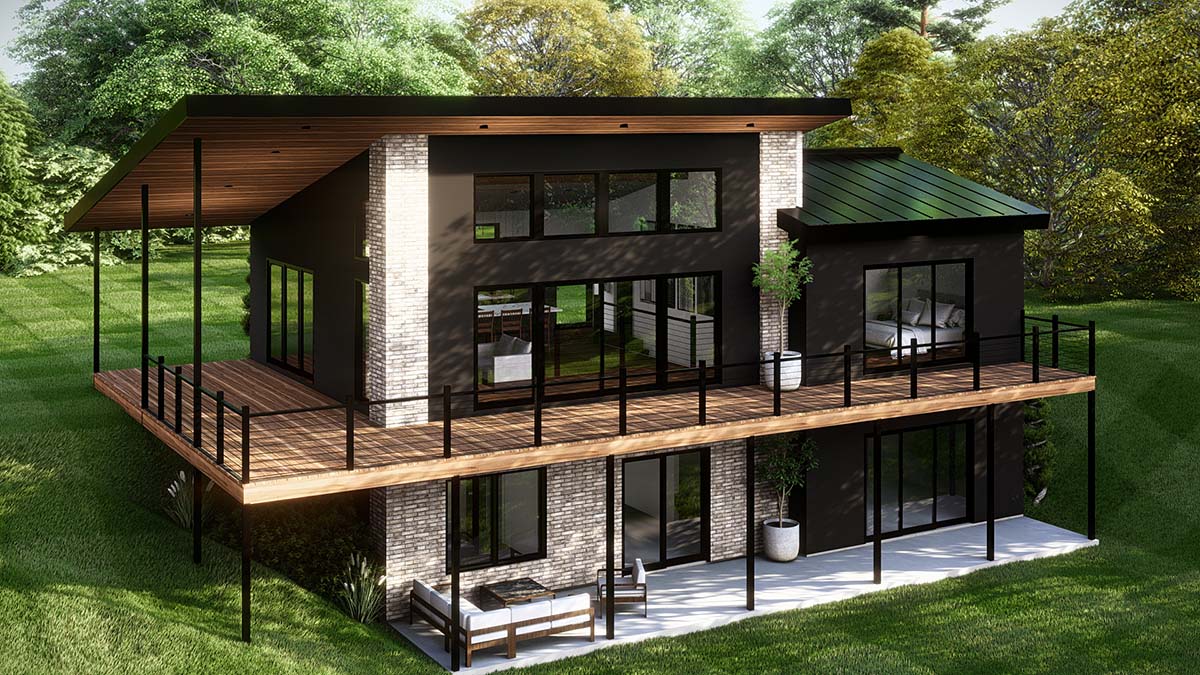
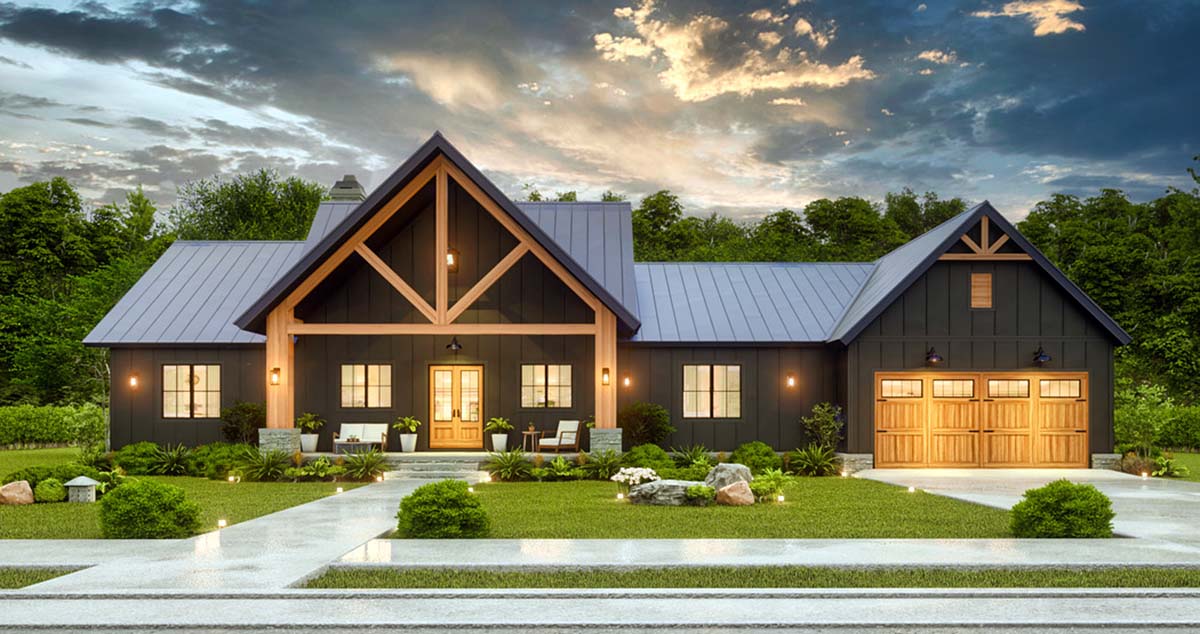
Selling your home and searching for new house plans go hand in hand. Check out these great house plans at Family Home Plans.

For more tips on how to save money and sell your home on your own, visit http://www.ForSaleByOwner.com.

Courtesy of ARAcontent

Visit Familyhomeplans.com


Home Theater: The Improvement that Pleases the Whole Family

(ARA) – Your home is bursting at the seams but buying something bigger is out of the question in this economy. And your improvement budget is limited, so you can’t please every member of the family with whatever renovation you choose to fund. Or can you?

Polls show that many American families prefer to watch movies in the comfort of their own homes rather than public theaters. Yet actual home theater systems – complete with projection screen and surround sound – are costly. Many people are opting for a more cost-effective approach by connecting several audio-visual components, including a flat-screen TV, DVD player and speaker system, to create a home theater experience.

While transforming an extra bedroom, basement or even garage into a home theater may be the ideal, many of us simply don’t have a spare room to devote to just one function. Many home theater owners choose to set up their systems in the family room. Wherever you decide to place your system, plenty of comfortable seating – positioned so that everyone can clearly see the screen and enjoy the sound – is the first essential ingredient.

Flat-screen TVs are now a favored option to an actual projector and screen. Each year, the quality of these electronic showpieces improves while prices drop. Most flat-screen TVs can easily be connected to other AV components, including external speaker systems.

Properly mounting a flat-screen TV on the wall can really create a theater-like effect. You’ll need a special mount to secure your TV, and there are several kinds to choose from. You could opt for a full-motion mount which allows you to move the TV for optimum viewing from any angle. Or, a tilting mount might be right for your setup if the TV is positioned higher on the wall, such as above a fireplace. Sanus Systems is a leading manufacturer of mounts for flat-screen TVs. Visit www.sanus.com to see the range of options.

Sound components will elevate your simple flat- or big-screen TV to home theater status. A good home theater system should have at least five main speakers, according to sound innovators Dolby Laboratories. A center speaker should be mounted just below the screen. Two speakers should be positioned in the front of the room in the corners on either side of the TV, at the same height as the center speaker. Finally, two speakers should be placed slightly behind the seating area and above ear level but facing horizontally and not down toward the listener. These five components give the “surround sound” effect.

Speakers can be placed on bookshelves but may yield better sound if mounted on the walls. Sanus makes speaker stands and mounts that can attach to walls or ceilings, and side speaker mounts or center-channel speaker mounts that attach directly to the TV mount.

Finally, add on your AV components like a DVD player or a satellite TV receiver. While many people simply place these components on a piece of furniture beneath their wall-mounted TV, a wall mount can help streamline the look of your system, eliminate a lot of wire clutter and still provide easy access to the components. Sanus’ Vertical Foundations line of on-wall furniture provides stylish, simple and efficient mounting options for AV components.

Visit www.sanus.com to learn more about mounting systems for flat-screen TVs and home theater systems.

Courtesy of ARAcontent

Visit Familyhomeplans.com


It’s Not Hard To Be Green

(ARA) – DIY. So last year. Now it’s GIY. As in green-it-yourself. And just like DIY projects, there are plenty of easy GIY weekend home improvement projects that will save energy and money and add value to your home. Oh, and we should mention you can help protect the planet while you’re at it.

Being green is easy and important. And fall’s a great time to tackle home improvement projects that will have an impact on the environment. People everywhere are taking small steps that make a difference in the fight against global warming. From buying energy-efficient appliances, to reusing grocery bags, to properly inflating tires, millions of Americans are clamoring to do their part for the earth.

So what are some GIY projects you can tackle now that will help save energy, money and the planet?

1. Insulating — One of the easiest GIY projects that delivers the biggest green payoff is upgrading your home’s insulation. By doing so, you can decreases your carbon footprint, increase your home’s energy efficiency and save up to 20 percent on your heating and cooling energy bills.1 Yet, nearly 80 million U.S. homes are estimated to be under insulated to the Department of Energy (DOE) standards.

The Department of Energy recommends attics — where 30 to 40 percent of a home’s total energy loss occurs — have up to an R-value of 60. To meet these standards, your attic should have at least 19 inches of fiberglass batt (roll) insulation or 22 inches of blown insulation. A good rule of thumb — if you can see the wood beams (joists) in your attic, you definitely don’t have enough insulation. Even if you can’t see the joists, you still may not have enough and with nearly 80 million American homes under insulated it’s likely we or our neighbors could use more. Owens Corning, makers of recognizable PINK insulation, offers a step-by-step guide to adding insulation to your attic at www.InsulateAndSave.com.

2. Heating & Sealing — Reap the most benefit from the insulation upgrade you just finished by ensuring that your furnace, ductwork and weather stripping around doors and windows are in good shape.

While it’s a good practice to have your furnace serviced by a professional each year before winter, you can improve your furnace’s operation and efficiency. Change the air filters throughout your house every 30 days and regularly vacuum dust from air return vents. Lubricate the blower motor following the instructions in the furnace’s owner’s guide.

Check weather stripping around doors and windows and repair or replace any cracked or faulty stripping. Don’t forget stripping around garage doors and the door from the garage into your house, as these areas can be major heat drains for your home.

3. Lighting – Once you’re done with the two projects above, replace those incandescent light bulbs with ENERGY STAR qualified bulbs — like compact fluorescent light bulbs – to decrease the amount of electricity you use for lighting as much as 75 percent. It’s a simple task to go through your home and replace light bulbs.

Although energy efficient styles may cost more, they last longer than incandescent bulbs and conserve so much energy that they quickly pay for themselves. Each bulb will save you about $30 over its lifetime and produce 75 percent less heat than incandescent bulbs. If changing all bulbs at once seems daunting, ENERGY STAR recommends replacing the most-used bulbs in your home, such as overhead lights in the kitchen, table and floor lamps in the living or family room, and outdoor porch or post lamps.

For more energy-saving, GIY home improvement ideas, visit www.energystar.gov.

Courtesy of ARAcontent

Visit Familyhomeplans.com


Preparing Your Home for the Digital TV Transition

(ARA) – Many of us have been February 2009hearing about the  digital TV transition for a long time now. With the date fast approaching, what does it mean for you and what are your plans for the TVs in your home?

According to the Federal Communications Commission, on February 17, 2009 all full-power broadcast television stations in the United States will stop broadcasting on analog airwaves and begin broadcasting only in digital.

“If you use an antenna to receive broadcasts, you’ll need to either replace your TV with a newer model or get a separate converter box to continue watching your television,” says Maria Repole, Assistant Vice President of Corporate Communications at Toshiba America Consumer Products. “Those who subscribe to a cable or satellite service should check with their provider to make sure they are using updated digital equipment.”

For many people, the digital TV transition is an opportunity to take inventory of the TVs in your home and update some outdated equipment. Whether you need to replace the TV in your living room or those dated, smaller TVs in the bedroom or kitchen, many people are looking for deals and want to replace that 19-inch TV they’ve been watching for the last couple decades.

One option to consider is an LCD TV with a built-in DVD player — a perfect option when replacing your TV sets. Instead of being left with an obsolete and unattractive model, you’re investing in one that is designed to accent any room in your home.

Toshiba makes a range of smaller, space-saving TVs that are great choices for the digital transition. The models have built-in digital tuners that work for standard cable channels as well as off-air digital broadcasts. When the digital transition arrives, you won’t have to worry.

But perhaps the best feature of these smaller TVs is the built in DVD player that has easy-to-access control buttons in a convenient all-in-one space saving design. The flat screen and slim body make it a great option if you need a smaller TV; choose a glossy white finish for the kitchen and a sleek black color for the bedroom.

The February 2009 digital TV transition is a good thing. DTV enables broadcasters to offer television with better picture and sound quality. And now that you are prepared and have options for every TV throughout your home, you’ll be ready to enjoy a superior TV viewing experience.

Courtesy of ARAcontent

Visit Familyhomeplans.com


Fireplaces are Heating Up with New Artistic Designs

(ARA) – Today’s modern fireplaces with stylized flames surrounded by colored glass and shiny metal are worlds away from the traditional brick fireplaces of yesteryear. Modern fireplace design is pushing boundaries with radical ideas that incorporate both function and beauty.

As the focal point of a room, fireplaces are where people gather, relax and enjoy time together. “Today’s contemporary style fireplaces with sleek, vogue designs gather crowds as readily as traditionally-designed fireplaces, except with an artistic allure,” says Dave Miller, Heat & Glo brand manager at Hearth & Home Technologies, the world’s leading fireplace manufacturer. “They are quickly gaining momentum, resembling something you’d see in a fine art museum, rather than a cabin in the woods. The rules have changed.”

Here are the top trends in modern style fireplaces today:

Shape:
The classic shape of traditional fireplaces gets an update with clever designs that stand out. For example, many European inspired styles are linear in shape, showcasing a panoramic flame pattern. This design trend is similar in proportion to today’s plasma screen TV, theater style. Non-traditional shapes are also hot right now, such as the metal-framed square design of Heat & Glo’s Soho model. These new fireplaces are also being reconfigured in a variety of sizes so they will fit into the smallest of rooms.

Materials:
Options are boundless when choosing materials to surround modern fireplaces. Think beyond brick and look at choices like black onyx stone, stainless steel and colorful tile. Even the glass fronts are changing and are now available in a variety of colors. They add a new, modish appearance that is attractive whether the fireplace is turned on or off.

Placement:
Traditional fireplaces rise from the floor, are surrounded by brick or stone and are topped with a mantle. Modern style fireplaces rebel by being placed higher up on the wall, resembling the placement of a piece of art. For example, the Heat & Glo Metro is a see-through model that can be placed at various heights to divide and warm two rooms. Fireplaces are also popping up in unique settings like between floor-to-ceiling columns and as focal points for home theatres and entertainment areas.

Flame:
Contemporary designs use gas technology in new and exciting ways. Frequently, log elements are not used and the fire emerges from below the frame so you see only the flames. These fire features are custom-created to complement the shape of the fireplace frame, creating real fire art that is captivating. For example, the Cosmo by Heat & Glo is a slender 48-by-18-inch landscape model with ribbons of flame that dance across the entire length of the fireplace box.

With all the benefits of a traditional hearth, these modern style fireplaces express your creativity and are, in essence, functional pieces of art. Whether you want a portrait fireplace in your living room, a small square option for your bedroom, or a see-through model between the kitchen and dining room, you can find the perfect fireplace for every location.

Design your dream fireplace online at www.fireplaces.com. In a matter of minutes, you can browse the many options and create a customized design that reflects your lifestyle. For additional information about modern fireplaces, visit http://www.heatnglo.com/modern.asp.

Courtesy of ARAcontent